
Color of Beetroot in food products and daily use
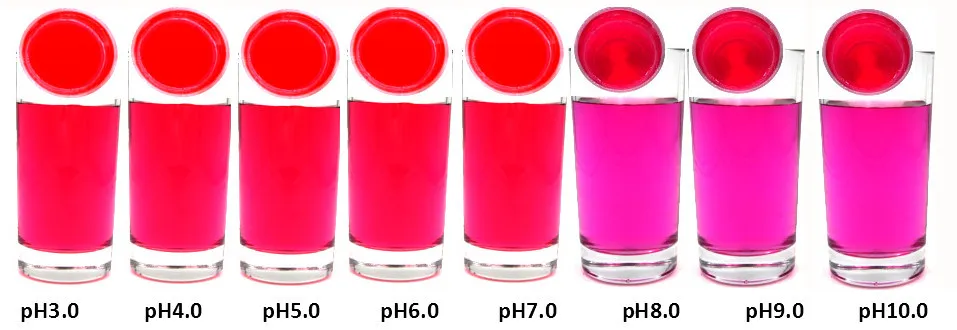
Some ingredients get noticed only after they change a product in a very obvious way. Color is one of those. People react to it fast, often before they even read the label properly. A soft red, a pink tone, or a warm orange shade can make food feel fresh, rich, or simply more normal. That is why Color Of Beetroot and beta carotene food coloring keep showing up in product development. They are practical color choices, and they also fit better with what many buyers now expect from food.
Red and pink shades are not always simple.
A lot of people think red is easy because it looks easy on the shelf. In production, it is not always that simple. The color of beetroot can give soft pink to red-purple tones, but the final shade depends on the recipe around it. Acidity, heat, light, and storage conditions can all affect the result. That is why food companies do not just pick a color and move on. They usually have to test how it behaves in the actual product first.
Orange and yellow tones do a different job.
Some products need warmth more than brightness. That is where beta carotene food coloring becomes useful. It can add yellow to orange shades that feel familiar in drinks, dairy items, snacks, sauces, and bakery products. The effect is not usually harsh, which helps the product look more natural to the eye. That matters because food color should support the product, not distract from it. A balanced color often does more than a loud one with no real purpose.
Buyers now care about labels as much as looks.
This has changed a lot in recent years. People still want food to look appealing, but they also read ingredient names more carefully than before. They may not understand every detail, though they do notice whether an ingredient sounds closer to food or closer to a lab code. The color of Beetroot feels familiar because beetroot already exists in normal cooking. Beta carotene food coloring also fits that cleaner image better than many old synthetic options that sound less relatable.
The formula decides how well the color performs.
Color ingredients do not work in isolation. A sample may look perfect during a quick trial, then shift later once the product goes through mixing, heating, filling, or storage. That is a normal part of formulation, but it can still cause frustration if teams expect an instant fix. The color of beetroot may behave very differently in a beverage than it does in a confectionery item. The same goes for beta carotene food coloring when the product has fat, moisture, or strong processing conditions.
Softer shades can actually look more convincing.
There is still a habit in some brands to chase bold, dramatic color because it seems more noticeable. But softer tones often feel more believable, especially now. A reddish tint from Color Of Beetroot can make a product feel fruit-based or fresher without looking too artificial. A warm yellow-orange from beta carotene food coloring can give richness without making the food seem overly processed. In many categories, that kind of visual realism helps the product more than exaggerated brightness.
Conclusion
Food color does more than improve appearance because it shapes how the product is judged before taste even enters the conversation. At foodrgb.com, businesses can explore ingredient options that support cleaner labels, practical formulation needs, and more believable visual results across different categories. Color of Beetroot remains useful for soft red and pink shades that feel familiar and product-friendly. Beta carotene food coloring also brings value where yellow and orange warmth matter in everyday food applications. Review your formula carefully and choose color solutions that match your product goals with precision and care.