
How to Cater for Mixed Dietary Requirements Without Making the Menu Complicated
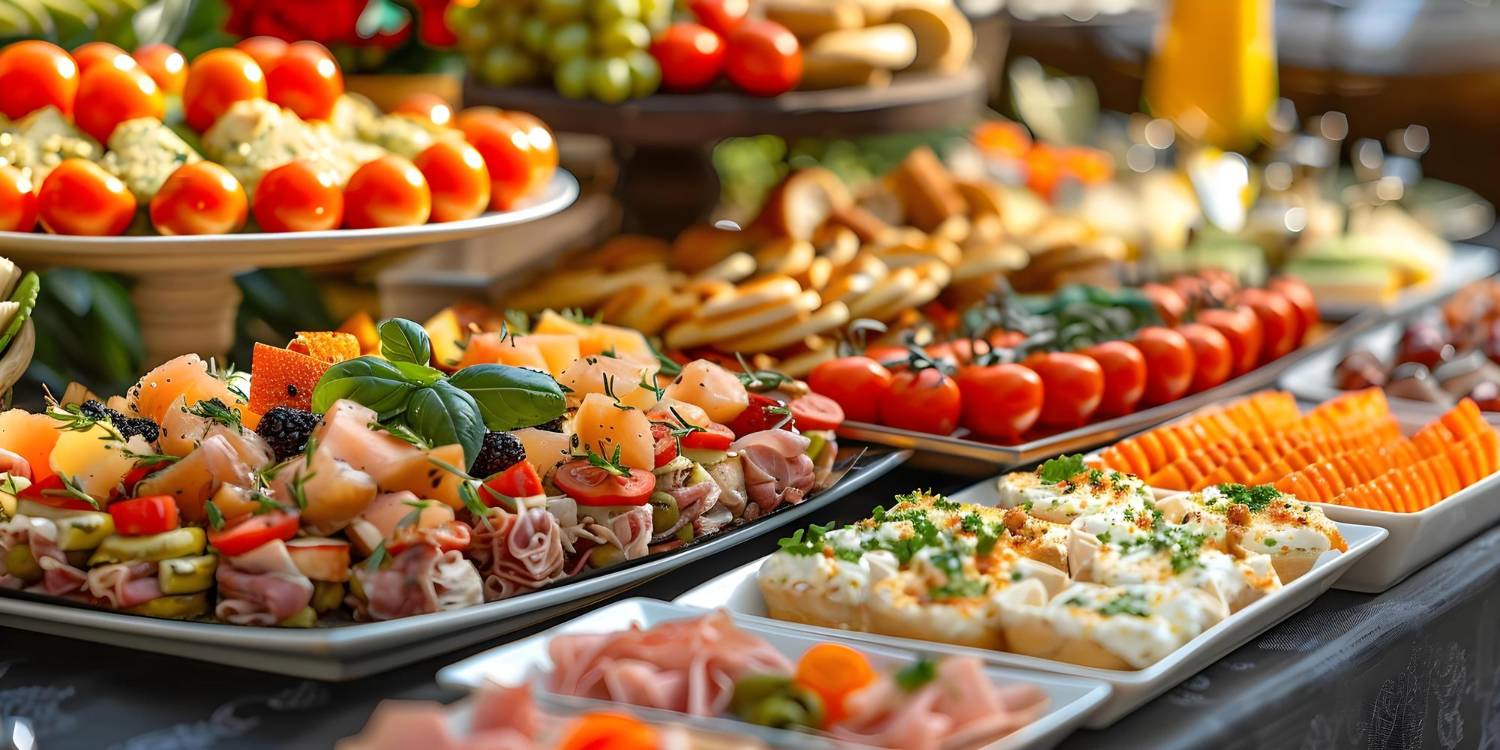
Mixed dietary requirements can make hosts overthink the whole event. They start adding extra platters, duplicate mains and too many “just in case” items, and the menu loses shape. A better approach is to keep the food broad, clear and well organised. Most groups do not need a separate menu for every guest. They need a solid core spread, a few well-planned alternatives, and a service setup that doesn’t turn safe dishes into risky ones halfway through lunch. Spit Roast Caterers already leans into that kind of flexibility, with the option to add sides or canapés and build vegan or gluten free plates that feel equal to the main menu.
Ask earlier and ask better
When planning corporate catering Sydney, the easiest win comes before the menu is even written. Ask guests to list dietary requirements when they RSVP, and separate lifestyle choices from medically necessary restrictions. A short question form works better than a vague “let us know if you have any dietary needs”. In Australia, the food rules for packaged products require clear declaration of allergens such as wheat, egg, milk, sesame, peanut, soy, fish, crustacean, mollusc, lupin, tree nuts and sulphites. That list is a useful prompt when collecting event dietary notes because it helps you ask the right questions instead of relying on guesswork.
Build the menu around naturally inclusive dishes
For office catering Sydney, the smartest menus usually start with food that already suits a broad share of the room. Roast meats, simple salads, vegetable sides, rice-based dishes, separate sauces and a proper vegan plate give you room to cover a lot of people without creating six versions of the same meal. This is where restraint helps. A dish that is naturally gluten free or dairy free is easier to manage than one that has been awkwardly modified at the last minute. Spit Roast Caterers already notes that vegan and gluten free plates can be built to feel equal to the main menu, which is the right mindset. Guests notice when the alternative meal feels like a real meal.
Keep special meals few, clear and purposeful
A lot of corporate buffet catering goes off track because the planner tries to customise every item. That rarely makes the event easier. It tends to create uncertainty in the kitchen and confusion on the table. A simpler setup works better: one main buffet for the general guest list, one properly planned vegan option, and separately prepared meals for guests with higher-risk allergies or strict gluten free needs. Allergy & Anaphylaxis Australia warns that buffet restaurants and food displays are high risk for cross-contamination, and also advises that allergen-free meals may be brought out separately from the kitchen rather than left on the buffet. That small change can remove a lot of risk.
Labels and utensils matter more than decorative menu cards
With business catering Sydney, clarity on the table counts for more than fancy naming. Guests need to know what a dish contains, and they need to trust that the serving spoon in that tray has not been swapped with the one in the couscous or satay. Buffet service is where things can go pear-shaped quickly. One guest uses the wrong tongs, another drops dressing into the wrong bowl, and a safe option is no longer safe. Keep dishes plainly labelled, use separate utensils, and brief staff to watch the line if the event is large. Coeliac Australia’s food-service standards put strong emphasis on communication, storage, preparation, service and cooking methods, which tells you the issue is process, not wording alone.
Don’t promise safety if the kitchen can’t back it up
People searching for corporate catering near me often focus on menu range and price first. The more useful question is whether the caterer knows its limits and communicates them early. That matters most with severe allergies. Allergy & Anaphylaxis Australia states that a venue can refuse service if it cannot provide food free of the allergen or avoid cross-contamination without unreasonable difficulty. That may sound blunt, though it is a safer outcome than giving a guest false confidence. If a kitchen cannot guarantee a peanut-free dessert or a separate gluten-free prep path, it should say so plainly. Honest boundaries make the whole menu easier to manage.
Treat gluten free as a method, not a label
For corporate event catering Sydney, gluten free usually needs tighter handling than people expect. Writing “GF” on a card does not fix cross-contact. Coeliac Australia’s accreditation program is built around strict food-service practices for gluten free meals, and the training covers storage, preparation, service and cooking methods. That is a useful benchmark even for venues that are not accredited. Keep gluten-free bread separate, use clean utensils, watch shared sauces and dressings, and send the meal directly to the guest when needed. Coeliac Australia also notes that gluten-free diners actively look for trusted venues, which makes sense. Trust is earned in the kitchen long before it reaches the plate.
Simpler menus usually serve mixed groups better
The best mixed-diet menu is usually the one that feels calm and easy to read. Guests should not need a long back-and-forth with staff to work out what they can eat. Ask early, trim the menu to dishes that pull their weight, protect higher-risk meals with separate handling, and keep labels plain. If you do that well, the event feels generous without becoming messy. Guests with dietary requirements feel included, the wider group still gets a strong spread, and the kitchen has a plan it can actually deliver with confidence. That is how you keep the menu simple without leaving anyone stranded at the table.